A Practical Monthly Bookkeeping Checklist for Small Business Owners
Bookkeeping is easy to put off when sales, clients, and payroll need attention first. Still, waiting until tax preparation is like driving with a fogged-up windshield. You move forward, but you can’t see clearly.
This monthly bookkeeping checklist gives small business owners a simple order to follow each month. Use it to keep records accurate by recording daily transactions, catch cash flow issues early, and make better decisions before small mistakes turn into expensive ones.
Days 1 to 5 of the Month-End Close Process: Gather Every Record and Record Missing Activity
Start by pulling everything from the month that just ended. That includes bank statements, sales reports, invoicing and billing documents, payroll processing reports, loan statements, and receipt photos. Put them in one digital folder for effective receipt management so nothing gets lost.
If you use accounting software, confirm that all bank feeds came through. Then look for duplicates, missing deposits, or transactions stuck in an uncategorized bucket that need you to categorize transactions. Software saves time, but it doesn’t think for you.

Next, focus on recording daily transactions that didn’t flow in automatically. Cash purchases, owner contributions, loan payments, and handwritten checks often slip through the cracks. If you paid a personal expense from the business account, flag it now. It’s much easier to fix while the details are fresh.
Owners who work with a bookkeeper should send documents early and include notes on anything unusual. Maybe you bought equipment, paid a contractor bonus, or refunded a big customer. That extra context helps your bookkeeper code the transaction correctly the first time.
A simple rule helps here: every transaction needs a home and a reason. If you want another example of what a strong month-end process looks like, this 2026 bookkeeping guide covers the same core steps.
Days 5 to 10: Bank Reconciliation and Clean Up the Details
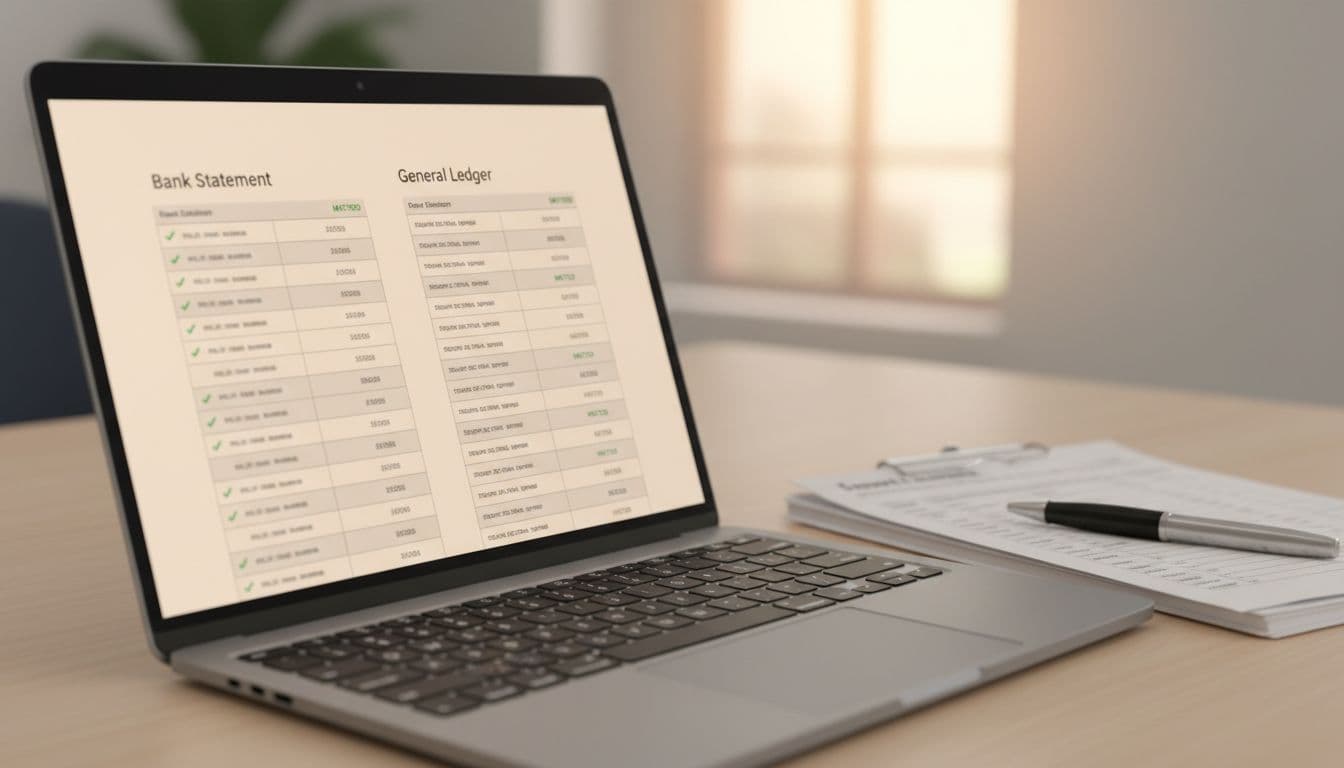
Bank reconciliation sounds technical, but the idea is simple. Your bookkeeping records should match your real-world statements. Start with bank reconciliation for bank accounts, then reconcile credit cards, loans, and payment processors like Stripe or Square.
When numbers don’t match, don’t guess. Check for missing transactions, double entries, bank fees, transfers recorded twice, deposits posted to the wrong month, or items coded to the wrong account in your chart of accounts. A clean bank reconciliation tells you the cash balance in your books is real, not wishful thinking.
After that, review open accounts receivable and accounts payable. If accounts receivable are still owed after 30 days, follow up. If accounts payable are sitting unpaid, decide what gets paid now and what can wait. This step matters because profit on paper doesn’t pay rent, cash does.
Also check tax-related balances. Payroll taxes, sales tax filings, and contractor payments should never be left as a mystery. If you see a balance that keeps growing, ask why.
If you skip reconciliations, one wrong number can travel through your reports all month.
If you skip reconciliations, one wrong number can travel through your reports all month.
Be careful with workflow automation rules. A rule that files every software charge to the wrong category can skew a whole quarter. If you have a bookkeeper, ask for a short list of open questions each month instead of waiting until year-end. For a wider view of recurring bookkeeping tasks, SDO CPA’s checklist is a useful reference.
Days 10 to 15: Review reports, save support, and make decisions
Once the books are clean, run the three key financial statements: the profit and loss statement, the balance sheet, and the cash flow statement. The profit and loss statement shows income and expenses. The balance sheet shows what you own and owe. The cash flow statement shows where money actually moved.
Now read those financial statements like an owner, not just a record keeper. Compare this month to last month. Then compare it to the same month last year if you can. Look for patterns. Did revenue rise while cash fell? Did payroll jump? Are subscriptions quietly piling up?
This is also the right time for solid document management. Keep PDFs of statements, payroll summaries, large receipts, loan records, tax payment confirmations, and records to file 1099s for contractors. If tax season or an audit ever comes around, a strong audit trail turns panic into a short folder search.
If your software allows it, close or lock the month after review. That stops accidental changes later. Then set aside money for estimated tax payments based on profit and any payroll or sales tax due. Many owners get in trouble not because they weren’t profitable, but because they spent tax money without realizing it.
Finally, use the numbers. Maybe margins are thin and prices need a reset. Maybe cash is strong enough to hire help. Maybe owner draws need to come down for a month. Clean books should lead to clear choices in cash flow management. If you want another model for tightening your month-end close process, this month-end close checklist offers a helpful comparison. This routine also simplifies the year-end close.
A steady routine beats a big cleanup
Monthly bookkeeping doesn’t need to eat your week. It needs a repeatable rhythm with a monthly bookkeeping checklist and honest attention to detail. Put this process on your calendar, follow it in the same order each month for precise expense tracking and managing accounts receivable and accounts payable, and your general ledger will stay accurate. This keeps your financial statements tax-ready and useful when real business decisions land on your desk.